Ed Sheeran's 'Fortnite' Refusal: A Nod to Authenticity in the Digital Age
Ed Sheeran reportedly turned down a significant collaboration with the popular video game 'Fortnite', citing a desire to maintain authenticity. This decision sparks discussion within the Swedish pop music scene about the balance between commercial opportunities and artistic integrity in an increasingly digital landscape.
Ed Sheeran Prioritizes Authenticity Over Gaming Collaboration
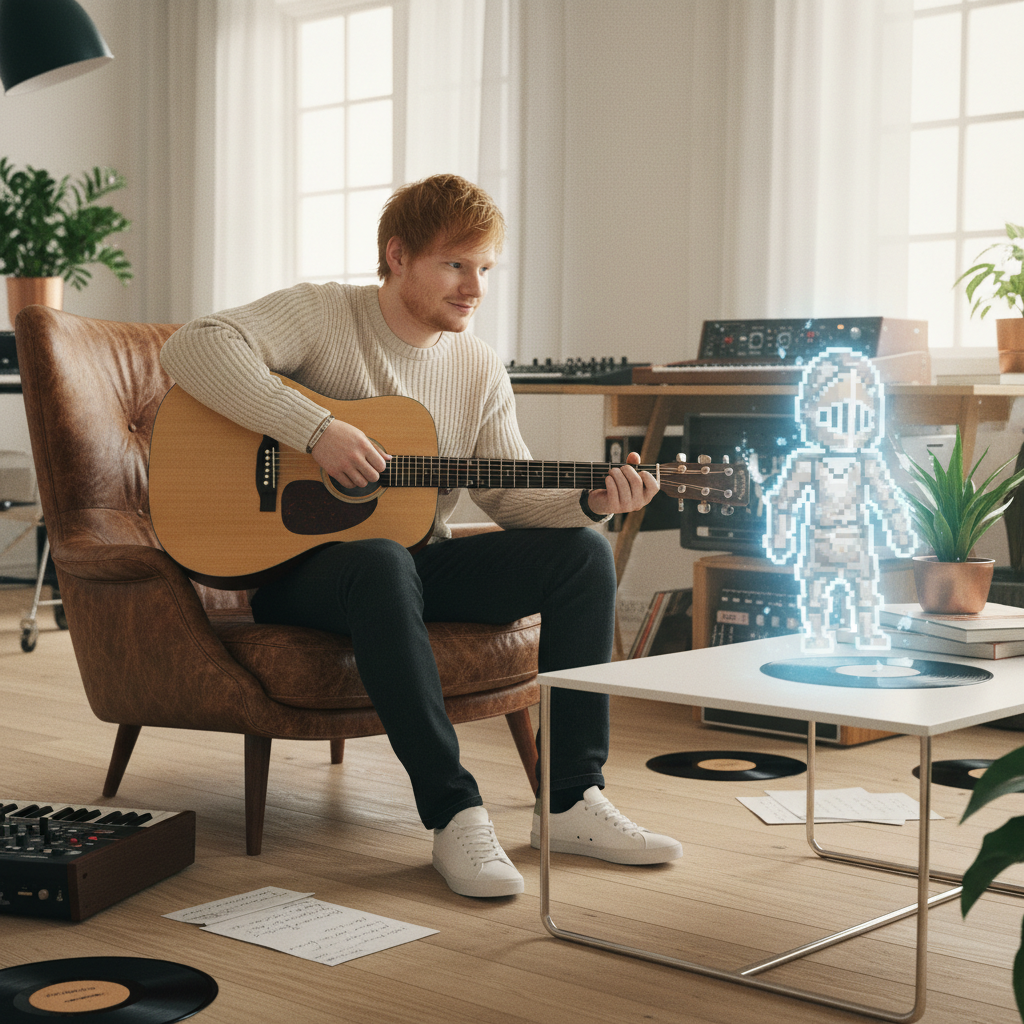
Global superstar Ed Sheeran reportedly declined a substantial offer to collaborate with the immensely popular video game 'Fortnite'. The British singer-songwriter's decision, which he discussed on the 'Halfcast Podcast', was rooted in his desire to maintain authenticity and avoid appearing as a 'sell-out' to his audience [Source: nme.com]. This move has resonated across the music industry, prompting conversations about the evolving relationship between artists, commercial ventures, and their fan bases, a dialogue that is particularly pertinent within the innovative Swedish pop music scene.
Sheeran, known for his chart-topping hits and stadium-filling tours, stated that his children would likely have encouraged such a collaboration, but he felt it wasn't the right fit for his brand [Source: nme.com]. This stance highlights a growing trend among some artists to carefully curate their image and partnerships, even when faced with lucrative opportunities that could significantly expand their reach to new demographics.
Swedish Pop's Approach to Digital Engagement
Swedish pop artists have long been at the forefront of embracing new technologies and platforms, from early adoption of streaming services to innovative social media strategies. However, Sheeran's decision brings to light the nuanced considerations involved in these digital ventures. While many Swedish artists, like Zara Larsson and Tove Lo, actively engage with platforms such as TikTok and Instagram to connect with fans and promote their music, the line between organic engagement and overt commercialization remains a delicate one [Source: billboard.com, rollingstone.com].
The 'Fortnite' platform, which has hosted virtual concerts by artists like Travis Scott and Ariana Grande, offers unparalleled global reach and engagement with a young, digitally native audience [Source: epicgames.com]. For some, such collaborations represent a vital new revenue stream and a way to break through traditional music industry barriers. However, Sheeran's perspective suggests that for artists with an established identity, the potential for brand dilution or perceived inauthenticity can outweigh the commercial benefits.
The Authenticity Debate in a Digital World
In an era where artists are expected to be constantly accessible and engaging across multiple digital channels, the concept of authenticity has become a critical currency. Swedish pop, often celebrated for its innovative production and heartfelt songwriting, thrives on connecting with listeners on an emotional level. For many artists, maintaining this connection means carefully selecting partnerships that align with their artistic vision and personal brand.
Sheeran's reported refusal serves as a reminder that while digital platforms offer unprecedented opportunities for exposure and revenue, artists continue to weigh these against the long-term impact on their credibility and relationship with their core audience. This ongoing debate ensures that authenticity remains a key consideration for both established global stars and emerging talents within the dynamic world of Swedish pop music.