AI in Swedish Pop: Johansson's 'Ett försvarstal' Sparks Industry Dialogue
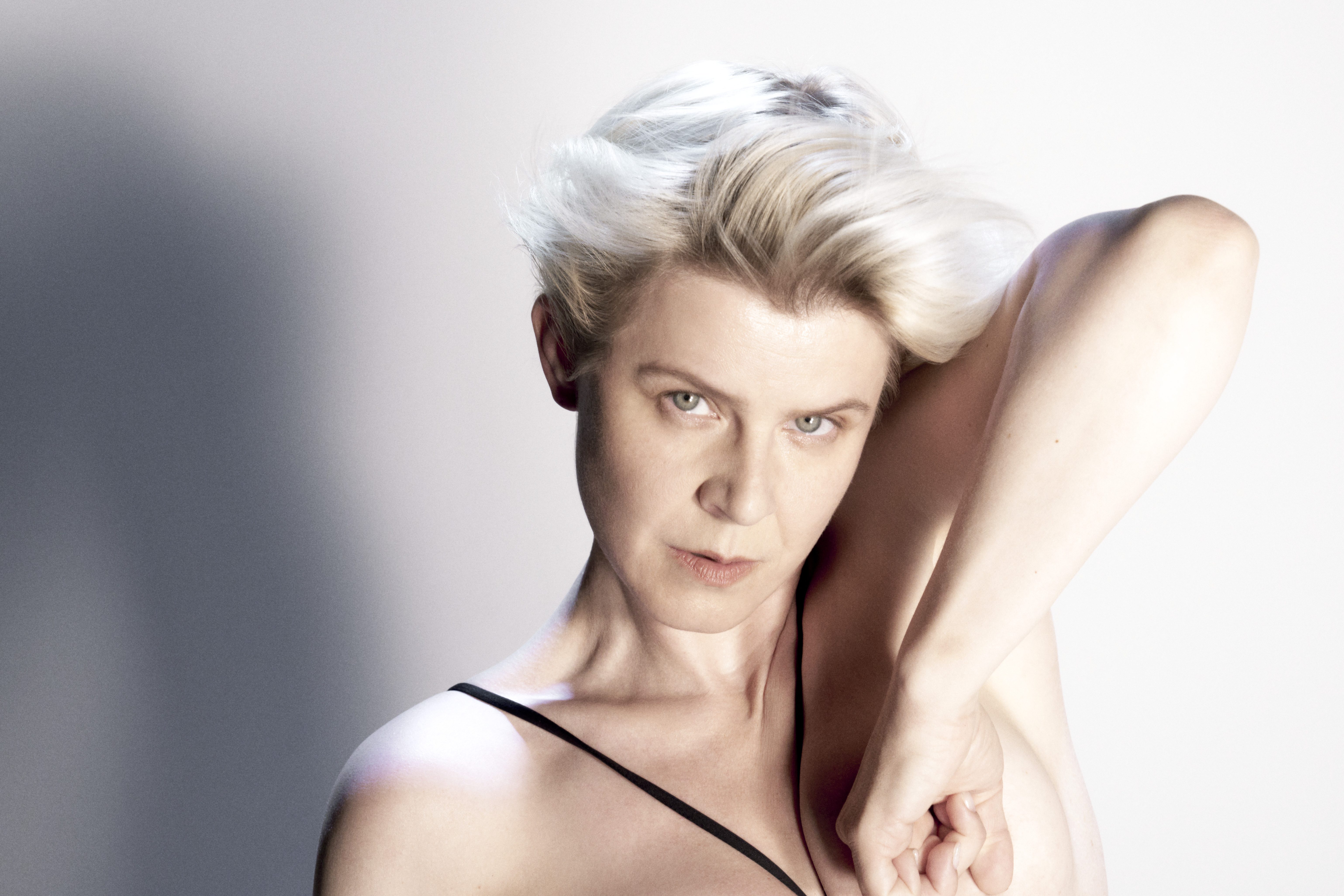
Swedish artist Johansson has released 'AI – ett försvarstal' (AI – A Defense Speech), a track created using artificial intelligence. This release has ignited discussions within the Swedish music industry regarding AI's role, copyright, and the future of artistic creation, particularly in the pop genre.
AI's Emergence in Swedish Music
The landscape of music creation is rapidly evolving, with artificial intelligence (AI) increasingly becoming a topic of discussion and experimentation. In Sweden, this conversation has been propelled into the spotlight by artist Johansson, who recently released a song titled 'AI – ett försvarstal' (AI – A Defense Speech) [Source: dn.se]. The track itself was reportedly created using AI, marking a significant moment for the Swedish music scene and its engagement with new technologies [Source: svt.se].
Johansson, whose real name is Hannes Johansson, is known for his innovative approach to music. His decision to release an AI-generated track is not merely an artistic statement but also a practical demonstration of AI's current capabilities in music production. The song's title, 'A Defense Speech,' suggests an intention to advocate for or explore the potential benefits of AI in creative fields, rather than to dismiss it outright [Source: dn.se].
Industry Reactions and Copyright Concerns
The release has naturally sparked a wide range of reactions within the Swedish pop music industry. Many artists, producers, and industry professionals are grappling with the implications of AI for songwriting, production, and intellectual property. One of the primary concerns revolves around copyright and ownership: who owns the rights to music created by AI, and how do traditional copyright laws apply when human input is minimized or altered by algorithms? [Source: musikindustrin.se]
Organizations such as STIM (Svenska Tonsättares Internationella Musikbyrå – the Swedish Performing Rights Society) and SKAP (Svenska Kompositörer Av Populärmusik – the Swedish Society of Popular Music Composers) are actively monitoring these developments. They are exploring how to adapt existing frameworks to protect creators' rights in an AI-driven future [Source: stim.se]. The debate extends to the ethical considerations of AI, including potential job displacement for musicians and the authenticity of AI-generated art compared to human-made creations.
The Future of Swedish Pop and AI
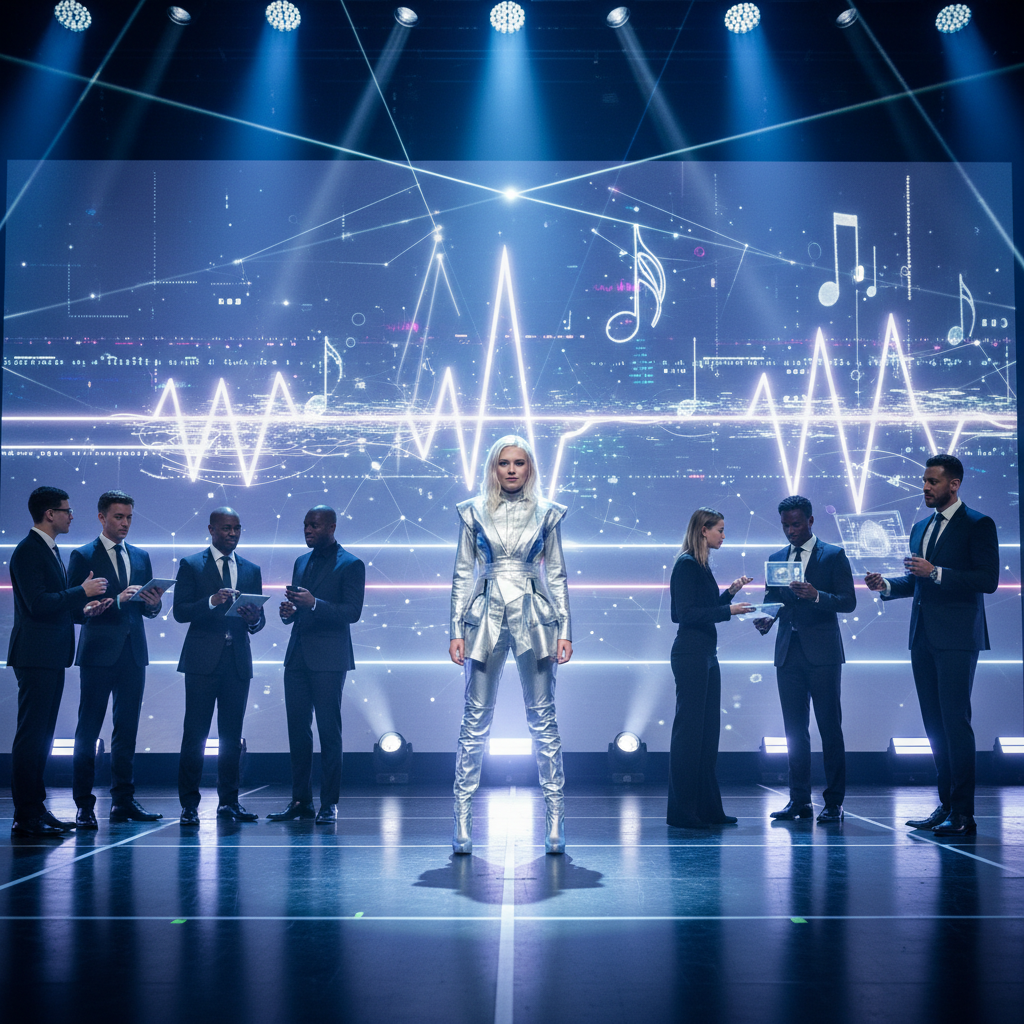
While 'AI – ett försvarstal' serves as a provocative example, it also opens up avenues for collaboration and innovation. AI could potentially assist Swedish pop artists in various ways, from generating new melodic ideas and harmonies to optimizing production workflows and even personalizing music experiences for listeners. Some view AI as a powerful tool that can augment human creativity, allowing artists to explore new sounds and push artistic boundaries [Source: svt.se].
However, the consensus among many in the Swedish music community is that AI should remain a tool in the hands of human artists, rather than a replacement for them. The unique emotional depth, cultural context, and personal experiences that define much of Swedish pop music are, for now, considered irreplaceable human elements [Source: musikindustrin.se]. Johansson's track has undeniably ignited a crucial dialogue, forcing the Swedish pop industry to confront the opportunities and challenges presented by artificial intelligence head-on, shaping the future trajectory of music in the digital age.